
Air quality
HEPA H13 plus carbon, with airtight, no-bypass flow.
Ceiling-integrated clean air, premium light and silent comfort in one architectural unit — plus 16 practical guides so you can check every claim yourself.
HEPA H13 plus carbon, with airtight, no-bypass flow.

Halo LED ring, 120° diffusion, CRI above 90.
High-torque EC motor with anti-vibration mounting.
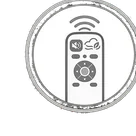
Wireless control for airflow, lighting modes and presets.
One monolithic ceiling form for air, light and silence.
Bronze, black and white finishes for clean ceiling integration.
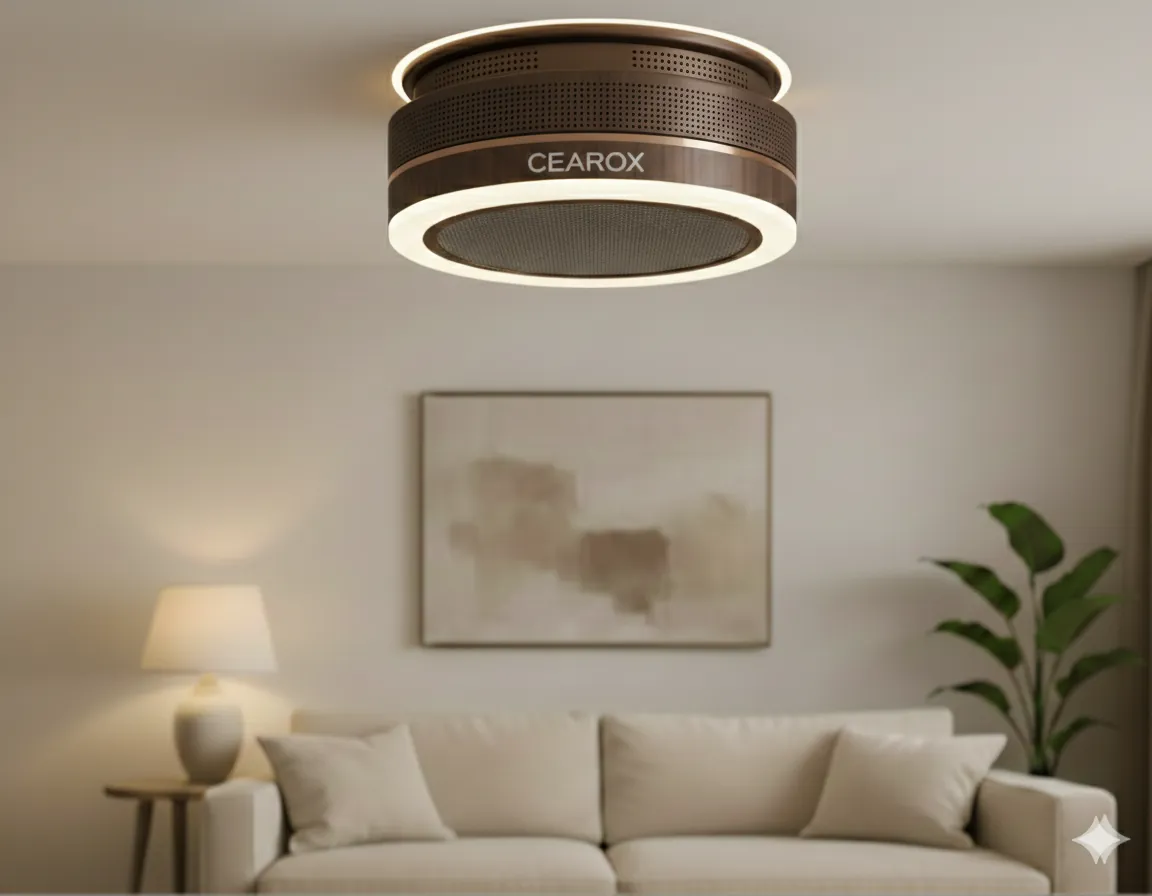
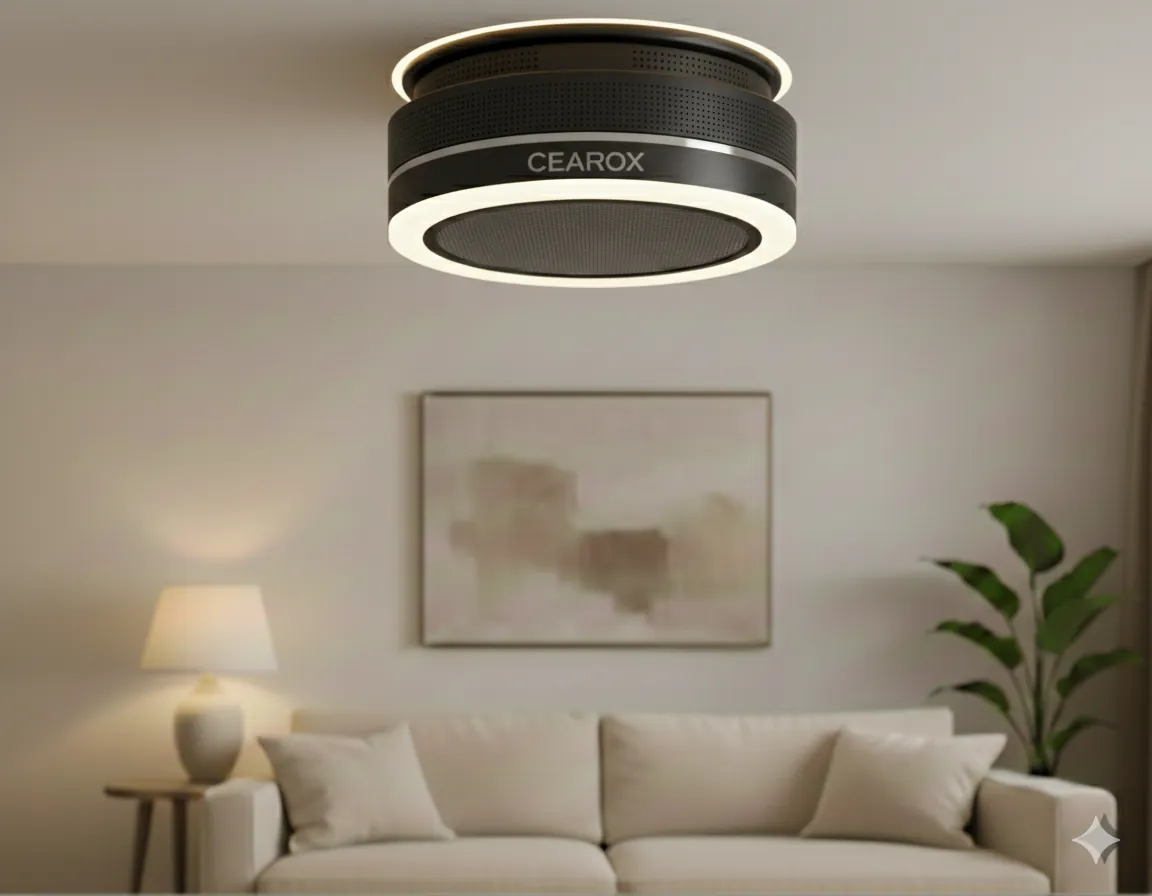
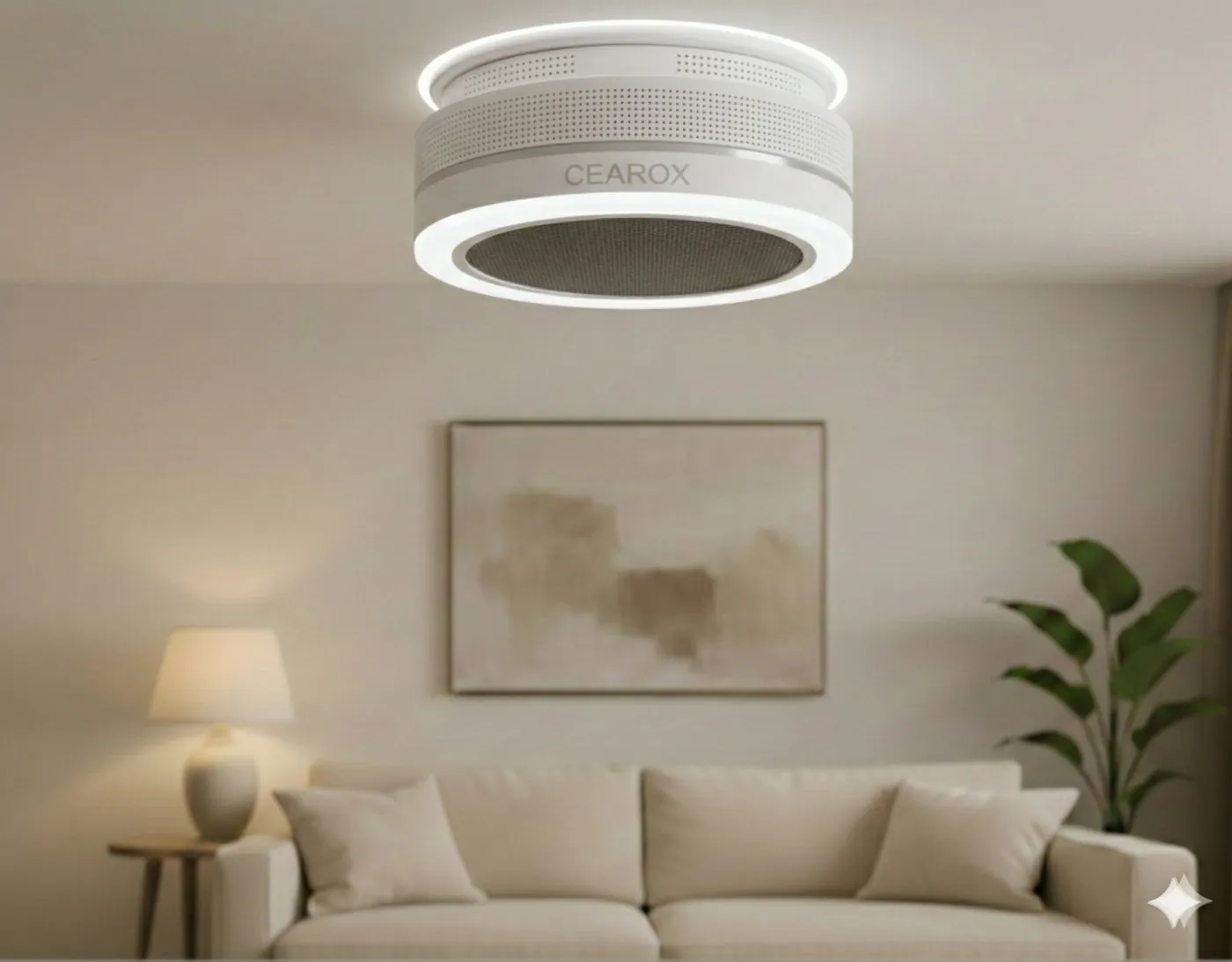
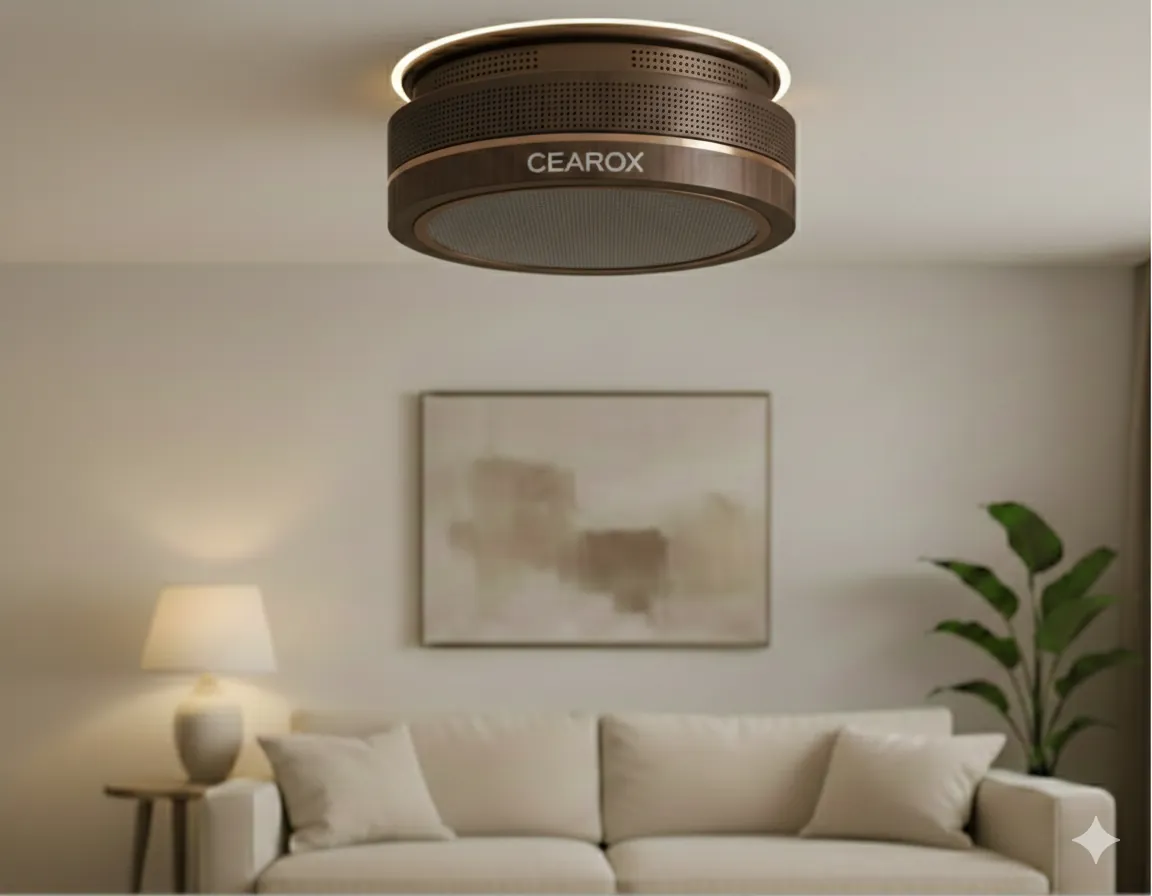
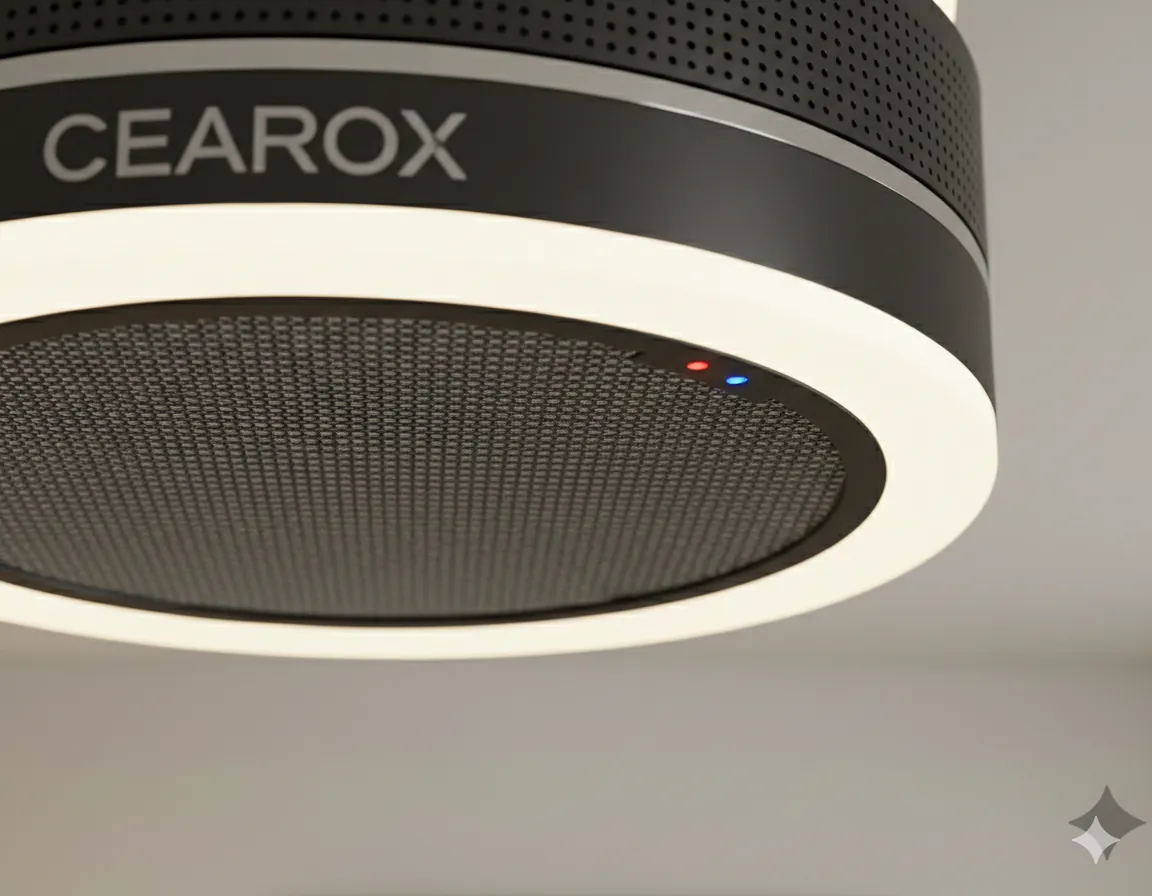
Images are product visualisations of the CX-PRO-580 design. Finishes and details may differ from series production.
Residential elegance. Commercial coverage.
Indoor air quality depends on particles, gases, ventilation, room layout, occupancy and maintenance. Our guides work through the numbers — room volume, clean air delivery rate, filter classes, noise — so you can verify any product claim, including ours.
H13 certifies at least 99.95% efficiency at the most penetrating particle size under EN 1822 — the filter's worst case. Real-room results also depend on airflow, sealing and filter condition, because leakage around a filter matters more than the class printed on it.
Read the HEPA H13 guide →Multiply room volume by your target air changes per hour. A 50 m³ room at 5 clean air changes per hour needs about 250 m³/h of clean air delivery — roughly 150 CFM. Ceiling height matters as much as floor area.
See the sizing guide →A purifier can only treat the air that reaches it. Furniture, room shape, doors and short-circuiting between outlet and intake all change the result. A ceiling position starts unobstructed, but sizing still decides the outcome.
Read about airflow →Enter your room dimensions in our air purifier size calculator to get the required CADR in m³/h and CFM, the clean air changes a given unit would deliver, and how long it takes to remove 90% of airborne particles.
The CEAROX CX-PRO-580 combines a HEPA H13 filtration stage, a carbon filter module, an EC motor, integrated LED lighting and wireless control in a ceiling-mounted form. The objective is to remove the floor footprint of a conventional purifier while keeping air treatment in a central architectural position, above furniture and out of reach of children and pets.
No purifier should be judged by a single component label. Filter grade, airflow path, bypass control, room volume, maintenance access and running hours all influence the practical result. That is why our guides explain the engineering concepts separately from product marketing — and why we publish the limits of air purification as clearly as its benefits.
If you are comparing systems, ask us for the current technical documentation and the room-sizing calculation for your space: contact the team.
Good indoor air usually comes from a combination of source control, adequate ventilation, filtration and regular maintenance. A particle filter reduces airborne dust, pollen, smoke and other particulates that reach the unit, but it does not create oxygen, remove every gas, solve moisture problems or replace building ventilation. Understanding those limits is what makes it possible to buy the right equipment for the right job.
Dust, pollen and fine particulate matter (PM2.5) are addressed by mechanical particle filtration, together with source control such as venting cooking outdoors.
Activated carbon adsorbs many gaseous contaminants and odors. Effectiveness depends on carbon mass and contact time, and plain carbon handles formaldehyde poorly.
Recirculating filtration does not remove occupant-generated CO₂. Ventilation is the only control, and CO₂ readings are the simplest indicator of whether a room has enough of it.
Sixteen in-depth guides covering filtration classes, CADR, room sizing, airflow, placement, noise, allergens, maintenance and buying — with formulas, worked examples and cited sources.
The one calculation that matters most, with a quick-reference table and worked examples.
SizingHow clean air delivery rate is measured, how to convert CFM to m³/h and what it leaves out.
FiltrationCapture mechanisms, the EN 1822 class table and why sealing matters more than the label.
OwnershipDecibels, sound power versus pressure, and why a bigger unit on low is far quieter.
TechnologiesWhich technologies can add pollutants, and the certifications that prove they do not.
All guidesFiltration, sizing, airflow, ceiling systems, air quality basics, buying and ownership.
No. Recirculating air purification reduces airborne particles, but ventilation supplies outdoor air and is the only way to control occupant-generated carbon dioxide. See PM2.5, VOCs and CO₂ explained.
Multiply room volume in cubic metres by your target clean air changes per hour. A 50 m³ room at 5 air changes per hour needs about 250 m³/h of clean air delivery. Use the calculator for your room.
It uses no floor space and sits in a central, unobstructed position above furniture and out of reach. Performance still depends on clean air delivery, room layout and installation — see ceiling versus floor purifiers.
HEPA media captures particles; activated carbon adsorbs certain gases and odors. The two cover different pollutants, and neither replaces ventilation. See activated carbon explained.
There is no universal interval. Typical guidance is 6–12 months for a HEPA stage in continuous home use, and more often for carbon depending on cooking, pets or smoking. See the maintenance guide.
No. HEPA and carbon filters do not remove carbon dioxide in any meaningful amount; only ventilation with outdoor air does.
CEAROX LLC
Email: office@cearox.com
We answer product, specification, documentation and distribution enquiries, and corrections to our guides.
Typical questions we can help with: